
The Difference Between a Brand People Like vs One They Wear, Share & Rep

Freelance Graphic Designer, UK
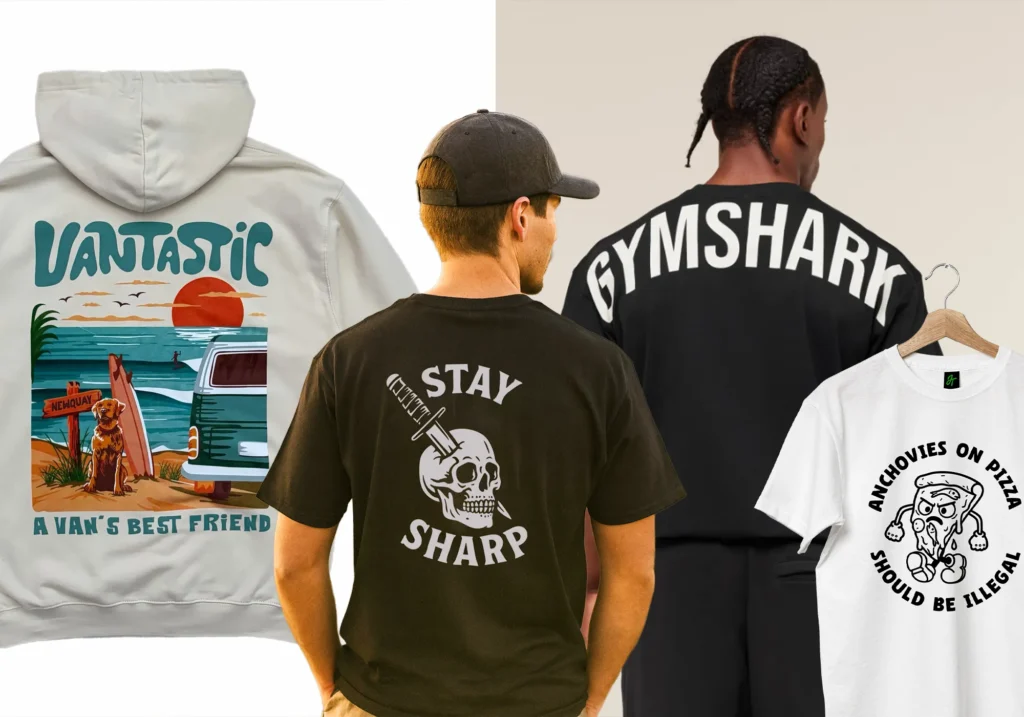
Let’s draw a hard line early:
People like a lot of brands.
They represent very few.
And that gap?
That’s where real growth lives.
Because likes don’t build movements.
Purchases don’t build culture.
But when someone wears your brand…
shares it…
reps it without being asked…
That’s identity.
And most brands never get there.
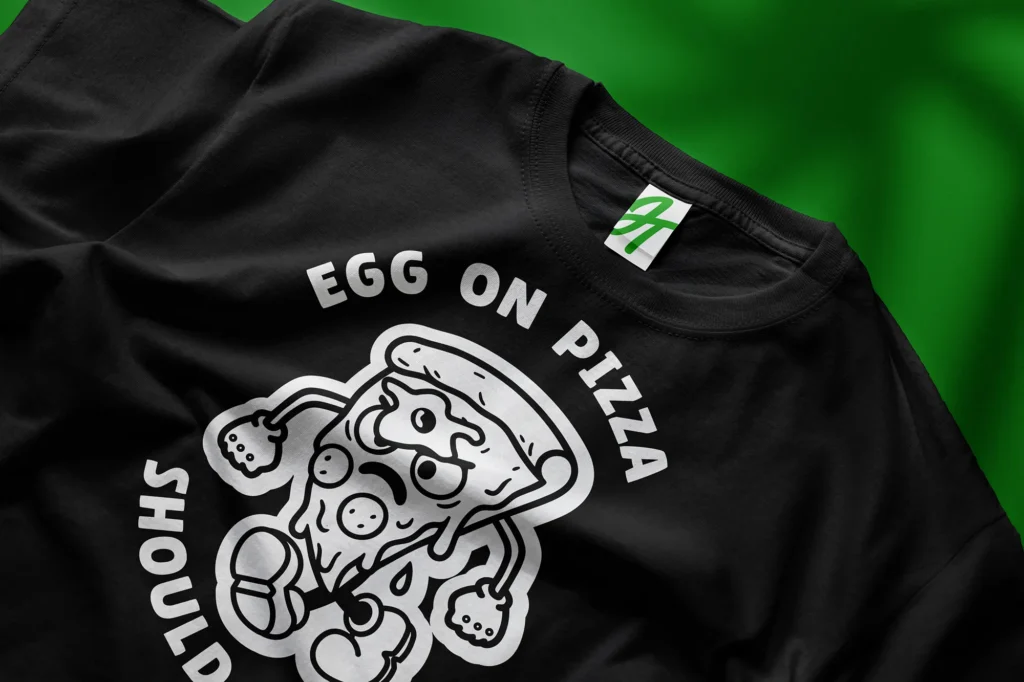
01. “Likeable” Brands Are Safe. Represented Brands Take a Stand.
Likeable brands try to appeal to everyone.
Neutral tone. Clean design. Nothing offensive.
And the result?
No one cares enough to attach themselves to it.
Brands people rep do the opposite:
- They stand for something specific
- They attract the right people and repel the wrong ones
- They have a clear point of view
What most brands do:
- Water everything down
- Avoid strong opinions
- Try to stay “accessible”
Opinion:
If nobody disagrees with your brand…
nobody feels strongly about it either.
And without strong feeling, there’s no attachment.
02. Identity > Product
Here’s the shift that changes everything:
People don’t wear products.
They wear what those products say about them.
When someone reps your brand, they’re saying:
- “This is who I am”
- “This is what I’m into”
- “This is my world”
That only happens when:
- Your brand has a clear identity
- It signals something meaningful
- It aligns with how people see themselves
What brands get wrong:
- Focusing purely on product quality
- Ignoring emotional positioning
- Thinking “good product = loyalty”
Opinion:
You can have a great product and still be forgettable.
Because products get used.
Identities get worn.
03. Visual Language Is What Makes It Wearable
This is where design either unlocks everything… or kills it.
Because for someone to rep your brand,
it has to work in their world.
What works:
- Strong, recognisable graphics
- Clean, confident design (not overcomplicated)
- Pieces that feel like fashion, not merch
What doesn’t:
- Overdesigned graphics nobody understands
- Cheap-looking branding
- Designs that only make sense to the brand, not the wearer
Opinion:
If your product feels like an advert,
people won’t wear it.
And if they don’t wear it, your brand doesn’t travel.
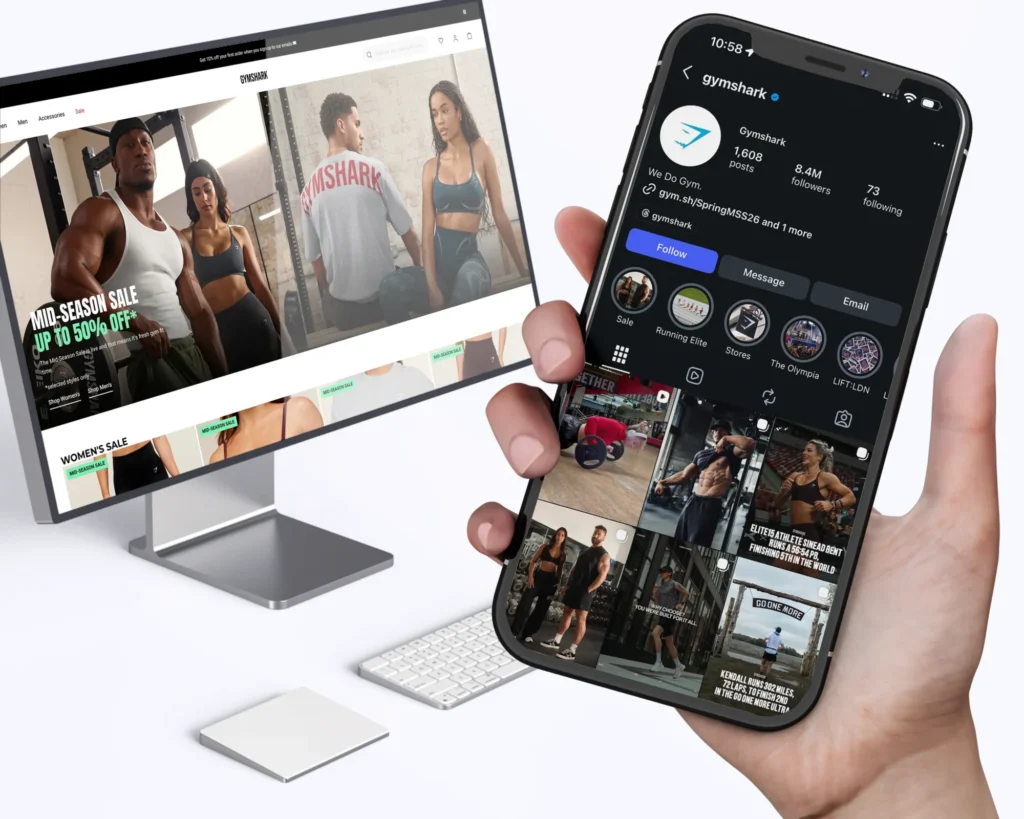
Credit – Gymshark
04. Culture Beats Content Every Time
Most brands are focused on content.
Posting consistently. Chasing engagement. Playing the algorithm.
But the brands that get repped?
They build culture, not content.
Culture looks like:
- Shared values
- Inside jokes
- Community moments
- Real-world presence
Content alone:
- Gets seen
- Maybe liked
- Then forgotten
Opinion:
You don’t build a movement with posts.
You build it with meaning people want to be part of.
05. Consistency Turns Interest Into Identity
Someone doesn’t rep your brand after one interaction.
It builds over time.
Through repetition.
Recognition.
Familiarity.
What drives that:
- Consistent visuals
- Clear messaging
- Repeated exposure to the same identity
What breaks it:
- Constantly changing direction
- Inconsistent design
- No clear visual anchor
Opinion:
If your brand looks different every time someone sees it,
it never has a chance to stick.
And if it doesn’t stick, it doesn’t get repped.
The Real Difference
Brands people like:
- Easy to consume
- Visually nice
- Broad appeal
- Quickly forgotten
Brands people rep:
- Emotionally charged
- Identity-driven
- Distinct
- Built to be seen and shared
That’s the gap.
And it’s massive.

So How Do You Build a Brand People Actually Represent?
Lock into this:
- Take a clear stance (even if it divides opinion)
- Build identity around people, not just product
- Design visuals that work in the real world
- Focus on culture, not just content
- Stay consistent enough to become recognisable
Do that, and your brand stops being something people buy…
…and starts becoming something they live with.
If This Connects to You
If you’re building a clothing brand, music project, or culture-driven business this is the level that matters.
Because attention is cheap.
But identity?
That’s what drives real growth.
Through Jack Tyler Design, I help brands move beyond surface-level design and build identities people actually want to wear, share, and stand behind.
Because the goal isn’t to be liked.
It’s to be lived.